What Medspa Owners Need to Know About Compliance: Frederika’s Career-Changing Experience in Aesthetic Medicine
After a two-year nursing license investigation, Frederika rebuilt her approach to medspa ownership around compliance, patient safety and education, hoping other providers can learn from her.
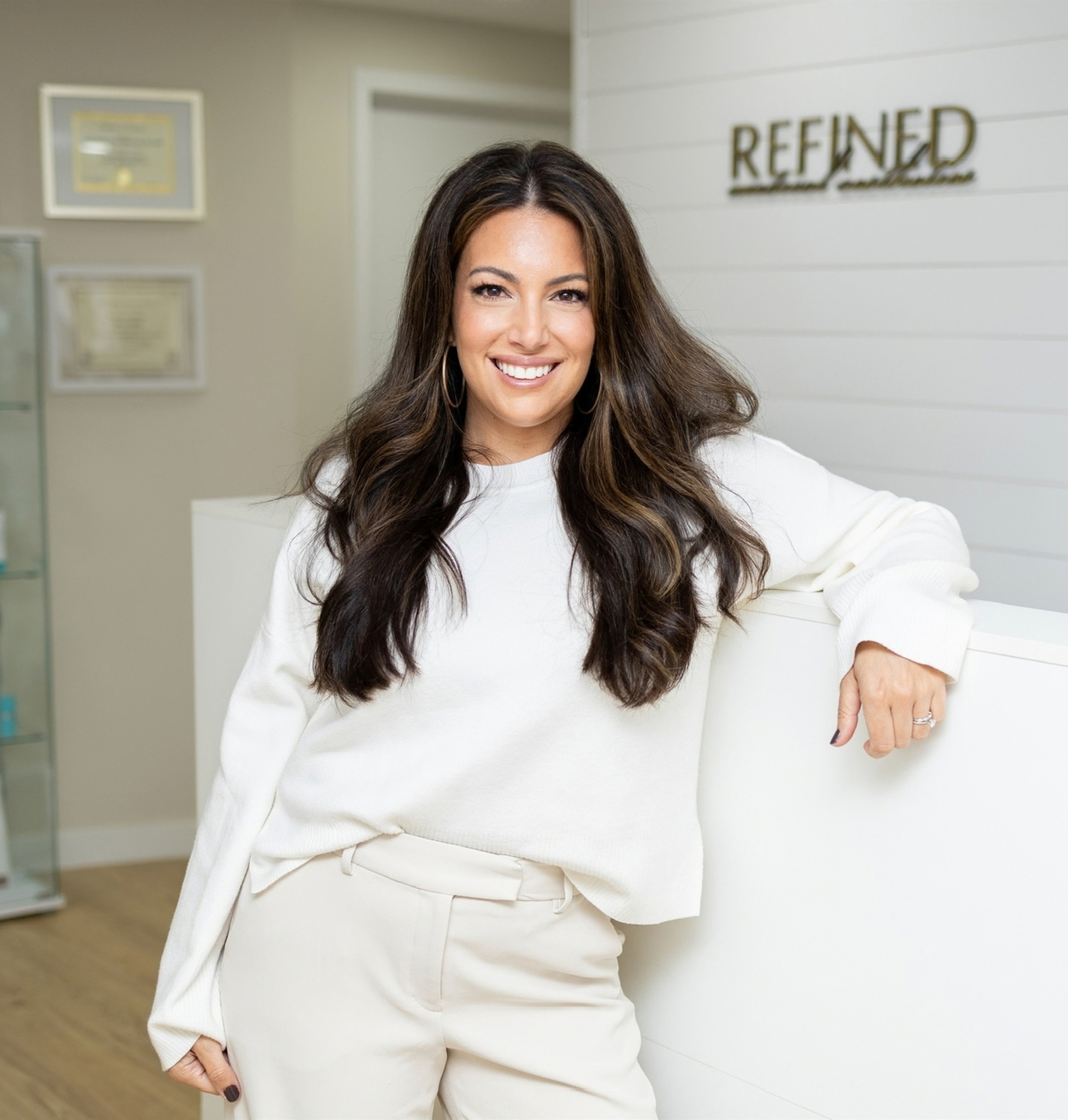
After a two-year nursing license investigation, Frederika rebuilt her approach to medspa ownership around compliance, patient safety and education, hoping other providers can learn from her.
THE EDITORIAL NEWSROOM
Next On Scene Media Team
September 23, 2026
After a two-year nursing license investigation, Frederika rebuilt her approach to medspa ownership around compliance, patient safety and education, hoping other providers can learn from her.
When Frederika entered the world of aesthetic medicine, she did what many new nurse injectors do: she sought guidance, followed the direction of professionals around her and trusted that the way things were commonly being done was the right way to do them.
Then a letter arrived in her mailbox.
Early in her aesthetic career, Frederika had been invited to perform injections at a hair salon’s “ladies night” event. Before participating, she met with her supervising physician, reviewed what she believed she needed and made sure she had the appropriate forms and approved product.
Three months later, she learned that an anonymous complaint had been filed with the Board of Nursing after someone took a screenshot of her social media advertisement and questioned whether she was practicing within the appropriate scope of practice.
What followed was a two-year investigation into her nursing license.
Ultimately, the board determined that Frederika had administered medication before receiving a patient-specific order from a prescriber. The case resulted in a 30-day voluntary surrender of her nursing license and permanent disciplinary action on her professional record.
For someone who had always considered herself a rule follower, the experience was devastating.
“This experience is honestly one of the most impactful of my life,” Frederika says. “I have never been disciplined for anything, never mind having my professional license suspended.”
It would also completely change the direction of her career.
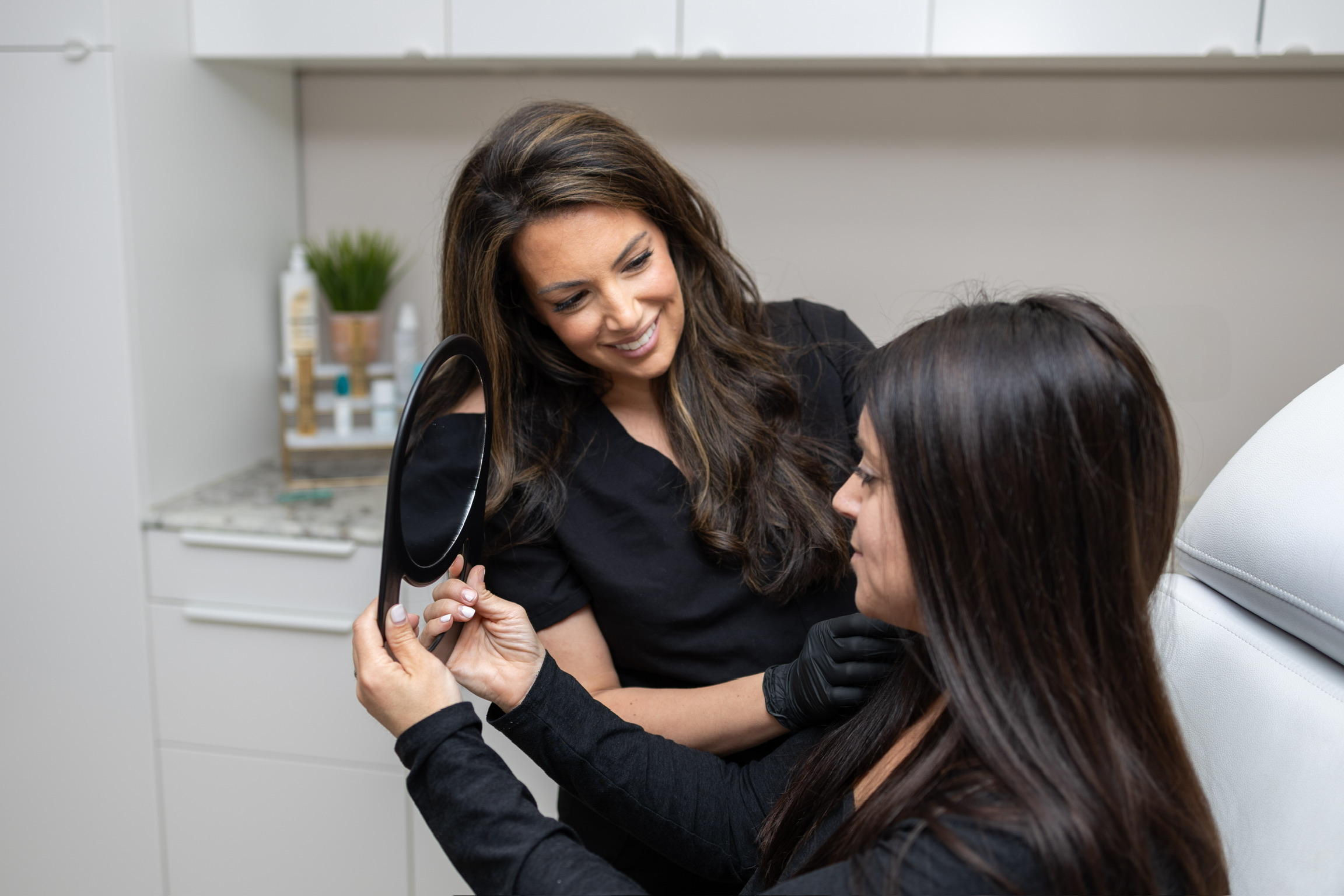
@ashleyob_photography
When Good Intentions Aren’t Enough in Medical Aesthetics
At the time, Frederika was watching other registered nurses enter aesthetics and operate in many of the same ways she had been taught.
That made the investigation especially difficult to process.
“I felt like I was in a snow globe because I was watching new RN injectors popping up all over social media practicing exactly how I was advised to when I opened my business,” she says.
As the investigation continued, Frederika began to understand that the issue extended beyond one event.
She sought legal guidance and eventually connected with an attorney experienced in medical aesthetics. In the process, she discovered there were other areas of her business and scope of practice that she had misunderstood.
The experience gave her a very different understanding of medspa compliance.
“Aesthetic medicine is still a branch of medicine and the same rules apply to your professional license whether you work in a ‘med spa’ or a hospital,” she says.
For Frederika, the larger lesson was that good intentions, industry norms and seeing other providers operate a certain way are not substitutes for understanding the regulations governing a healthcare professional’s license.
How the Investigation Changed Frederika’s Career
Halfway through the investigation, Frederika made a major decision: she went back to school.
Over the next three and a half years, she earned her Master of Science in Nursing and became a nurse practitioner.
The transition required a significant personal and professional investment.
She completed her master’s degree while caring for a newborn, invested in experienced legal counsel and restructured how her aesthetics business operated. Until she became a nurse practitioner, she stepped back from certain aspects of ownership and hired a qualified prescriber to be on-site.
“It was expensive but necessary,” she says.
Compliance became foundational to the way she operated Refined rather than something considered only when a problem arose.
Over time, the shame Frederika initially felt around the investigation began to shift into empowerment.
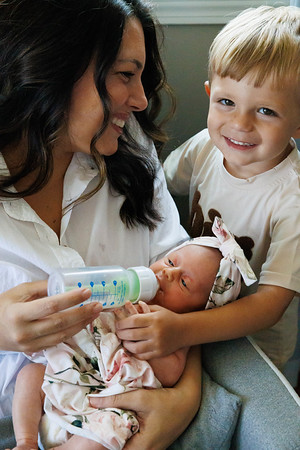
@meghowephoto
She became more open with employees about her experience and why the practice took compliance so seriously.
“I tend to be over the top with compliance in this office because I was investigated,” she would explain to team members.
What had once felt like one of the most difficult chapters of her professional life became part of how she led.
What Should Someone Know Before Opening a Medspa?
When Frederika speaks with medical professionals considering medspa ownership today, one recommendation comes first: establish a relationship with an attorney who understands healthcare law.
“We are not ‘spas,’” she says. “Rules and regulations for medical aesthetic practices are actually the same for any other medical practice.”
Frederika has worked with the same attorney for nearly six years and continues to consult with her as new questions arise.
That ongoing relationship is important because medspa compliance is not a one-time checklist completed when a practice opens.
Businesses evolve. Teams change. New treatments are introduced. New questions arise.
For Frederika, responsible medspa ownership requires understanding scope of practice and knowing when to seek qualified legal and clinical guidance before moving forward.
What Should Patients Ask Before Choosing an Aesthetic Provider?
Frederika also believes patients should feel empowered to ask more questions before receiving aesthetic treatments.
Credentials and experience matter, but she encourages consumers to go further.
“Ask for your provider’s credentials and how many years they have been practicing, but also ask for who is ordering their procedure,” she says.
She also encourages patients to pay attention to how a practice handles medical documentation and informed consent.
“These are medical procedures,” Frederika says.
And informed consent, she believes, should involve more than signing paperwork.
“Informed consent is a discussion, not a signature,” she says. “Make sure your provider is actually educating you about the potential adverse events that could happen.”
Patients should also feel comfortable asking whether a practice has protocols in place if a complication occurs.
Social media, meanwhile, should only be one part of the decision-making process.
Frederika notes that before-and-after photographs can be influenced by lighting and positioning, while many patients simply do not consent to having their images publicly shared.
The goal is not to make patients fearful of aesthetic medicine. It is to help them become informed participants in their care.
Why the Aesthetics Industry Needs More Conversations About Compliance
For years, Frederika was hesitant to publicly discuss her nursing board investigation.
There was stigma attached to it.
But when she began sharing her experience, she noticed that the conversations often prompted other providers to examine their own practices.
“We learn from mistakes,” she says. “If this did not happen to me, I don’t know what kind of business I would have built, but I can guarantee it would not be as amazing as what I currently own.”
Her perspective shifted further after seeing another provider openly discuss her own licensing-board investigation in a national Facebook forum.
The response revealed other practitioners who had experienced similar investigations in different states.
For Frederika, it reinforced the need for greater transparency and education throughout the medical aesthetics industry.
“Open conversation usually fosters growth and minimizes stigma,” she says.
Helping the Next Generation of Nurse Injectors
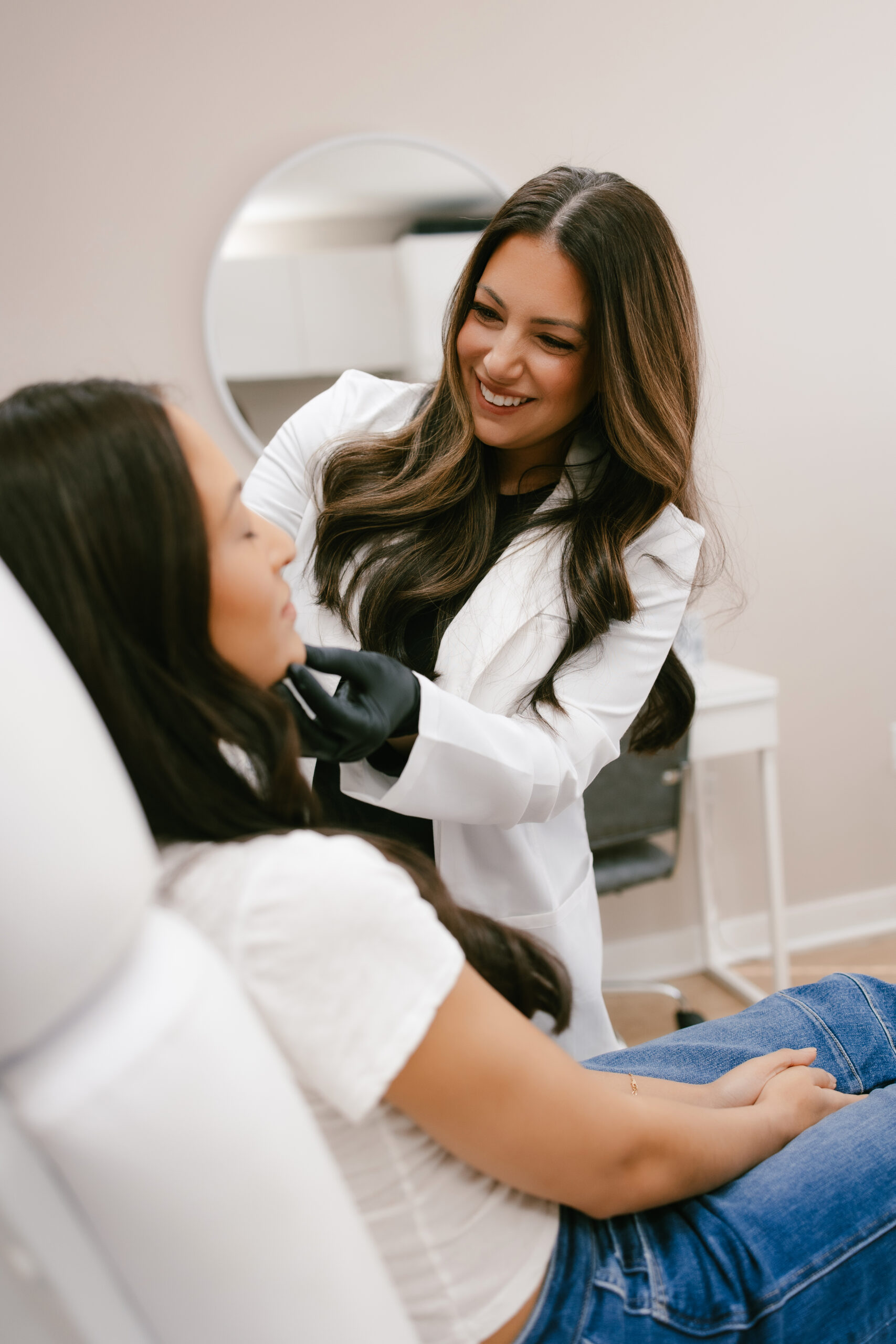
@meghowephoto
As Frederika expands her work beyond her own practice, she wants education to become a larger part of her impact.
She hopes to educate newer injectors, contribute to industry panels and conversations, and potentially mentor medical professionals entering aesthetics.
“There is a low barrier to entry in aesthetics,” she says. “A medical professional can take an introductory certification course, start a business and inject patients. Seemingly easy. That’s what I did.”
Looking back, she now recognizes how much she did not yet know.
Frederika believes the industry needs more accessible, affordable and standardized education that goes beyond injection techniques and also addresses scope of practice, medspa compliance, patient safety and responsible business ownership.
Her goal is no longer to hide one of the hardest chapters of her career.
It is to make it useful.
The investigation that once felt like a threat to Frederika’s future ultimately pushed her to become a nurse practitioner, build a stronger practice and develop a much deeper understanding of compliance and patient safety.
Now, she wants to help the next generation of aesthetic providers ask better questions before they ever find themselves learning those lessons the hard way.
@kaseycanzanophotography
About Frederika
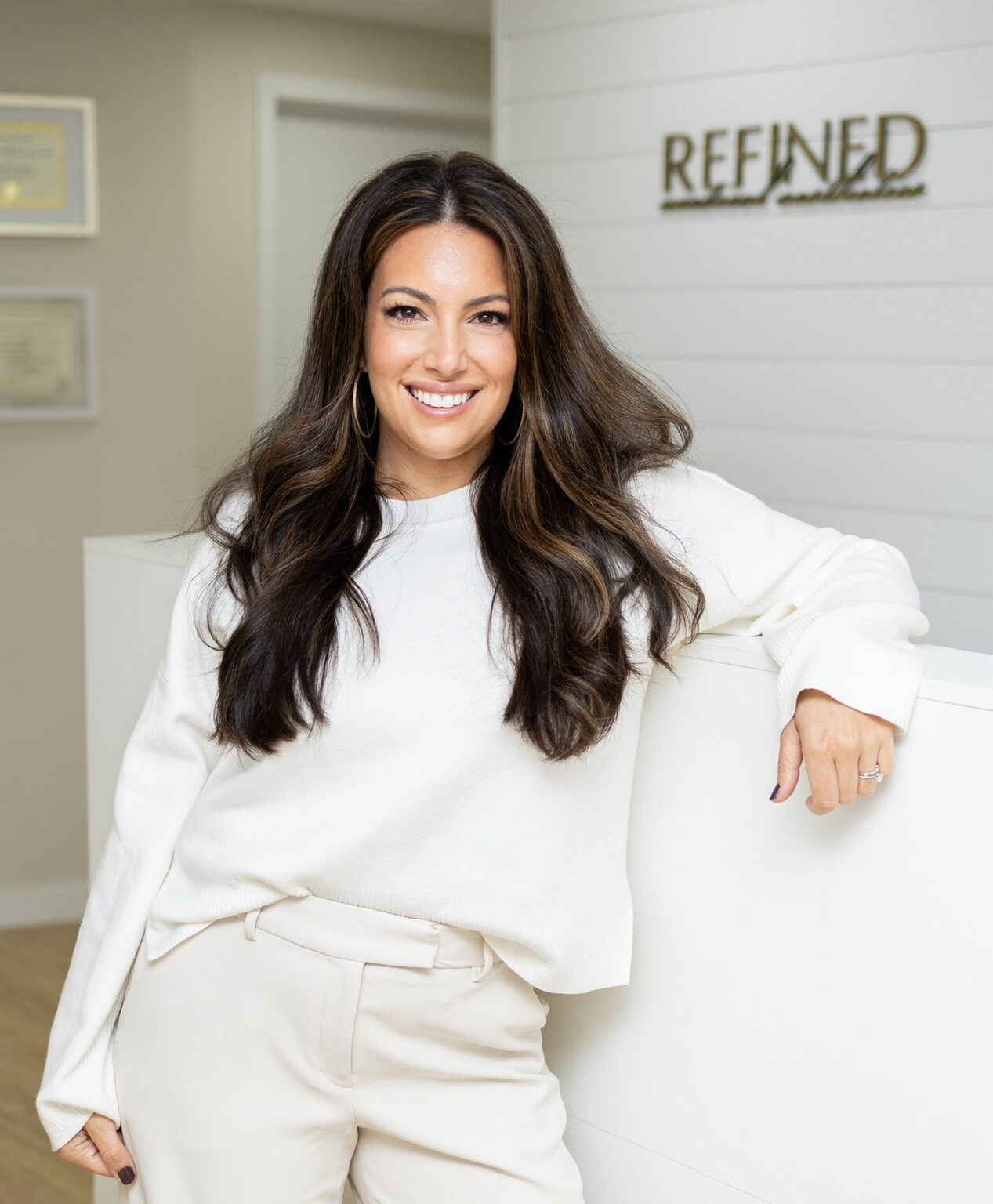
Frederika MacMillan is a board-certified Nurse Practitioner with a Master of Science in Nursing and a Massachusetts cosmetology license. With a strong foundation in medical science and advanced training in aesthetic medicine, she brings together clinical expertise and a refined artistic sensibility to deliver natural, elegant results.
Her philosophy is rooted in patient education, uncompromising safety standards, and personalized care. Frederika develops thoughtful treatment plans tailored to each client's goals—ensuring results that are both realistic and sustainable. As the clinical leader of the Refined team, she is dedicated to continuous learning, excellence in practice, and a client-focused experience that reflects the highest standards in modern aesthetic care.
Connect with Frederika:
Website: https://refinedmedaesthetics.com/
Instagram: www.instagram.com/refinedmed
New clients can book online for a consultation.
Email: [email protected] or cell phone directly by text 617-529-9970.

Be the first to comment